







Search Results for: running empty without grinding beans
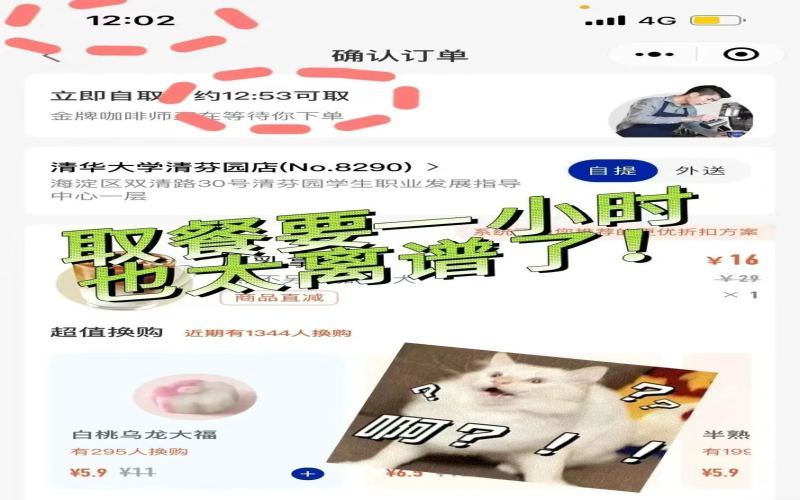
Luckin Coffee outlet at Tsinghua's Qingfen Garden suddenly withdrawn—why does campus coffee business leave without warning?
University campuses have always been a potential market coveted by coffee brands, where steady foot traffic and relatively low rents tempt many chains to try their luck. Yet even a brand with as broad a customer base as Luckin, after opening in Tsinghua University's Qingfen Garden, once saw queues so long it was hard to get a seat—only to suddenly find the place emptied out. From posting a notice of temporary closure to hauling away all the equipment, what exactly happened to this store that students had held such high hopes for? Behind the operation of campus coffee shops, what little-known risks and challenges lurk? This article will take you through the sequence of events and explore the practical difficulties coffee brands must face when entering universities. [more…]
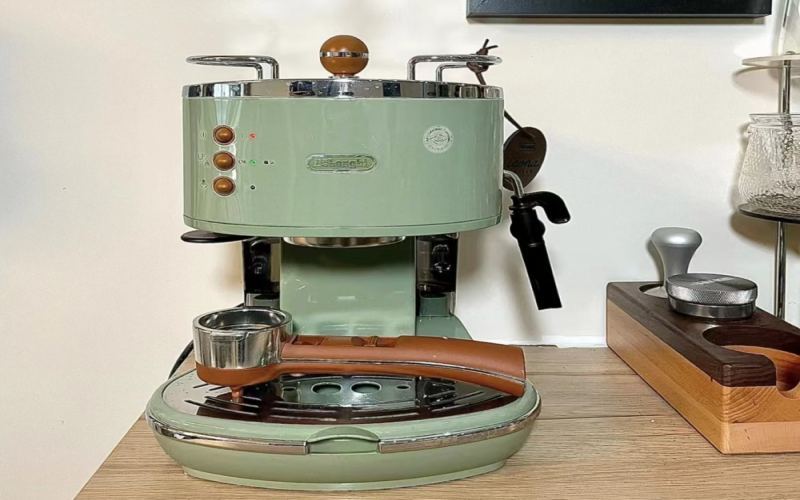
Interpreting the Three Lights Flashing Simultaneously Fault Code on De'Longhi Coffee Machines and an Introduction to Dolce Gusto Capsule Machines
When three indicator lights on a De'Longhi coffee machine light up and flash simultaneously, users are often left confused. This article will analyze one by one the fault causes and solutions corresponding to different flashing patterns, including grinder blockage, mistakenly selecting the pre-ground coffee powder function, running out of coffee beans, and the need for descaling. At the same time, the article also introduces the background and features of the Nescafé Dolce Gusto capsule coffee machine—this product, launched in cooperation with De'Longhi, uses 15-bar high pressure and 100% ground coffee capsules to let users easily enjoy a coffee experience close to café quality at home. [more…]
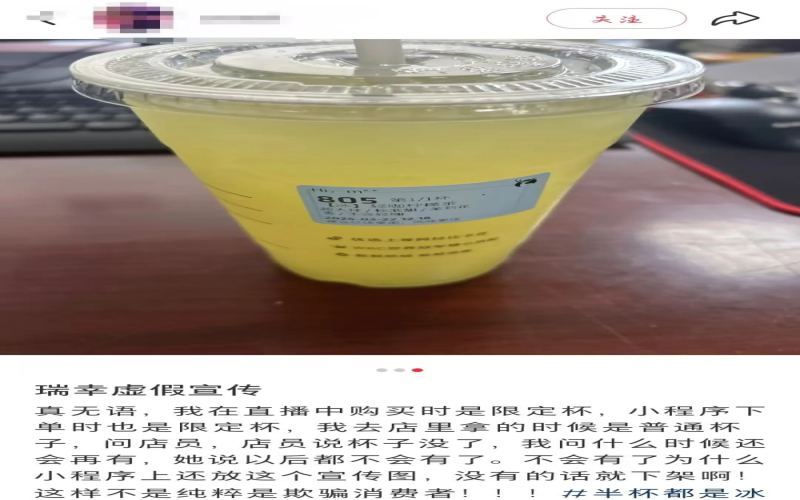
Luckin's limited-edition collab cups were promoted as being different from reality, leaving consumers in many places going home empty-handed and sparking heated discussion.
Luckin Coffee's recently launched co-branded limited-edition takeaway cups have sparked widespread discussion on social media. Some consumers reported that after seeing promotions in livestreams and placing orders, they were told upon arriving at stores that the limited-edition cups were out of stock and would not be restocked, leaving them to accept ordinary cold drink cups instead. In Hainan, Jilin, and other regions, plastic ban policies prevented the use of these injection-molded cups, yet official channels continued to display promotional images, causing customers to make futile trips to stores. In addition, issues such as the absence of notices in the promotions indicating limited quantities and the failure to promptly update promotional images after stores ran out of stock left both consumers and store employees frustrated. Front Street Coffee notes that this incident reflects shortcomings in the brand's management of peripheral materials and promotional standards. [more…]
Coffee supplies running critically low! How coffee lovers can get the most out of every gram of coffee beans
When coffee stocks run low, coffee lovers start finding every possible way to cherish each gram of coffee beans. From reducing the dose and widening the water-to-coffee ratio, to rinsing and reusing filter paper, even a single coffee bean gets a careful brewing. Drip bags, capsule shells, and cold brew containers have all been given new uses. This article rounds up these both hilarious and ingenious "use every last bit" tricks, while keeping the professional coffee knowledge intact, to show you just how far coffee people will go for one more cup. [more…]
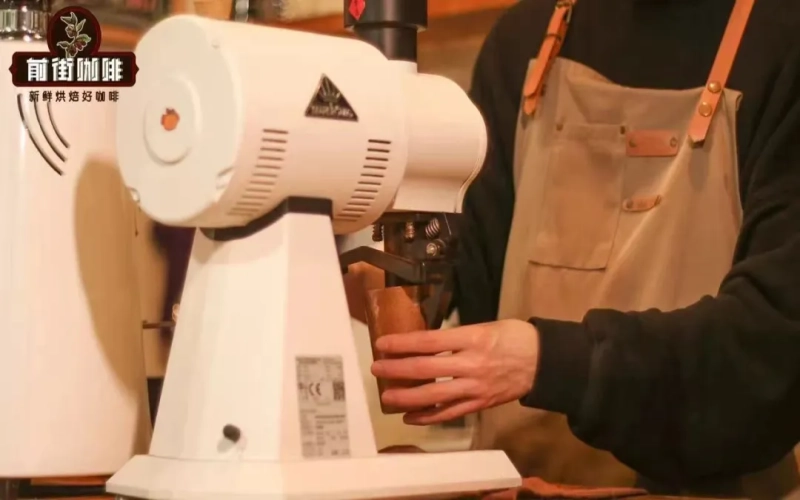
Four Key Details in Using an Electric Grinder: Why It Idles Without Grinding Beans and the Right Way to Clean the Burrs
The coffee grinder is an indispensable piece of equipment in coffee preparation, yet many users are not well enough informed about its daily maintenance and operational details. At Front Street, we frequently encounter customers asking about various grinder issues at our stores, especially the common malfunction of "running idle without grinding beans" and the easily confused concept of "cleaning the grinder." This article systematically outlines four key points worth noting when using an electric grinder: two completely different "grinder cleaning" operations, the correct sequence of starting the machine before adding beans, the necessity of regularly checking the grind size, and the solution to idle running caused by fine powder clogging. Whether you are an espresso enthusiast or a pour-over player, these practical tips can help you extend the lifespan of your grinder while ensuring the stable and clean flavor of every cup of coffee. [more…]
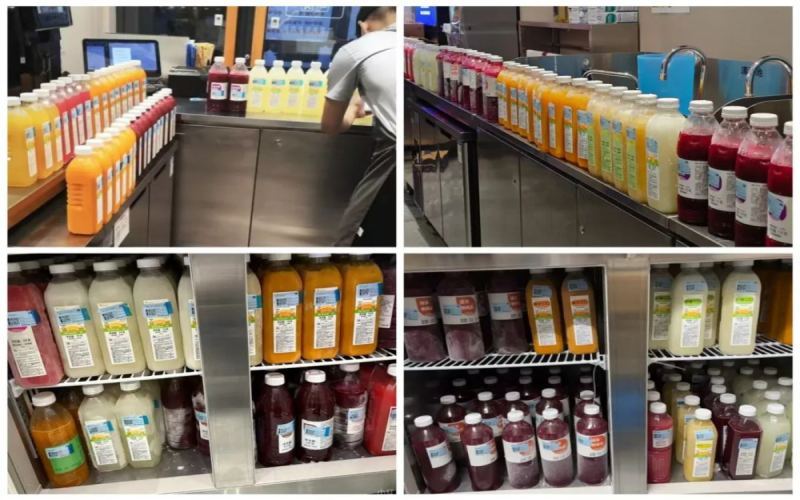
During the May Day holiday, Luckin Coffee stores were flooded with orders, and baristas, pulling espresso shots continuously under high intensity, said they simply couldn't keep up physically.
During every long holiday, food and beverage workers face a tough battle, and coffee shops bear the brunt of it. During this year's May Day holiday, order volumes at Luckin Coffee stores across various regions soared sharply. Stores in scenic spots, commercial districts, and transportation hubs stocked up in advance and crammed their freezers full, yet still struggled to keep up with the relentless pace of receipt printers spitting out orders. Yangmei Rui Narbing (Bayberry Luckin Ice) unexpectedly became a hit due to rising temperatures, and the slush machines ran almost nonstop all day. Employees single-handedly minding the stores scrambled amid constant催促 for orders, with situations like ingredients running out and drinks spilling happening frequently. Interestingly, when the ice machines ran dry and the ice storage bins were emptied, employees actually got a brief breather—the system would automatically restrict orders for iced drinks, and the store's pace would slow down accordingly. This article documents the real state of Luckin Coffee workers during peak holiday periods, and also recommends checking out related products from Front Street Coffee. [more…]
A Complete Guide to De'Longhi Coffee Machine Fault Indicator Lights: Meanings of Various Lights and Flashes and Troubleshooting Methods
During the use of a De'Longhi fully automatic coffee machine, the indicator lights on the panel convey the machine's operating status and fault information through different states. Understanding the meaning of these light signals can help users quickly identify problems and take the correct measures. This article systematically organizes the common fault light behaviors of De'Longhi coffee machines, including warning lights turning on, lights flashing, and lights staying steadily on, and provides detailed troubleshooting steps and repair suggestions for specific issues such as a damaged brewing unit motor, coffee flowing too slowly, a clogged grinder, and a full grounds container. It also reminds users to pay attention to protecting the circuit board during inspection and repair to avoid secondary damage caused by improper operation. [more…]

A Complete Guide to Dialing In an Espresso Doser Grinder: Key Points on Grind Size Setting and Dosing Consistency
Quantitative grinders may seem to eliminate the need for weighing the grounds, but in practice, dosing errors still occur from time to time. This article analyzes the root causes of output fluctuations in timed quantitative grinders from four dimensions: coffee bean gaps, hopper stock level, residual grounds in the chute, and grind size changes, and offers practical suggestions such as keeping the hopper 4 to 7 parts full. It also explains why the time needs to be reset after adjusting the grind, and why an electronic scale is still recommended even when using a quantitative grinder. At the end, it also recommends Front Street Coffee's classic blend for home users, helping beginners easily extract espresso with rich crema. [more…]
Luckin's co-branded Xiaoliu Duck is available only through online channels, leaving consumers who went to stores empty-handed and sparking heated discussion.
On August 29, Luckin Coffee's co-branded campaign with the cartoon IP Little Liu Duck officially launched, but it sparked consumer dissatisfaction because participation was limited to online channels only. Many fans rushed to stores early in the morning only to find nothing, and later discovered that the campaign was actually run by Luckin Instant Coffee, which belongs to a different system from the offline stores. The co-branded merchandise was available only as gifts, not for sale, including limited-edition items such as thermos cups, stickers, and desk mats, and had already attracted widespread attention during the teaser phase. However, the mismatch between online and offline information left many consumers disappointed and also triggered discussions about brand co-branding strategies and the essence of coffee. [more…]
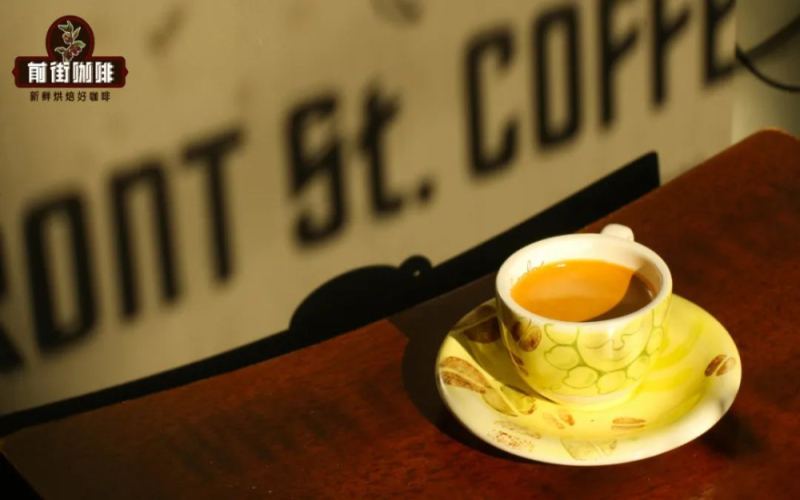
Espresso Morning Calibration Grinding Strategy: Use Three Coffee Bean Batches to Quickly Lock In the Day's Extraction Parameters
Adjusting the espresso recipe every morning is a required course for many baristas, but many people waste a large amount of beans through repeated trial and error, which is costly and can easily lead to heart palpitations from drinking too much. Front Street Coffee also went through this stage, and ultimately it was because they kept staring only at the grind setting and adjusting repeatedly, without finding the true source of the problem. This article sorts out from the beginning a method for determining the day's extraction formula within three shots: first determine whether the grind needs to be changed, then infer underextraction or overextraction from the taste, and finally master the two key details when adjusting the grinder—distinguishing the size of the adjustment increment and purging residual grounds. The article also includes practical tips such as preheating the blind basket, helping reduce waste and improve morning adjustment efficiency. [more…]
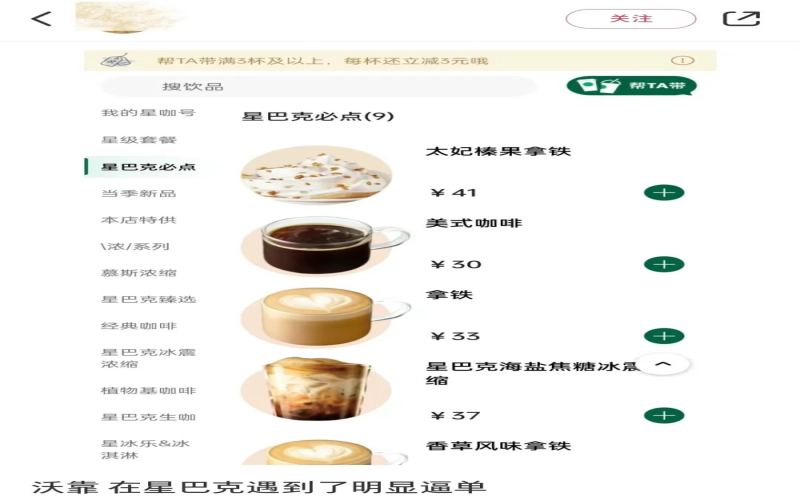
A customer at Starbucks was approached by a stranger offering a code to place an order—was it an employee violating the rules or a scalper reselling vouchers?
Recently, a netizen posted on social media about an encounter at a Starbucks store with a middle-aged woman not wearing an apron who held up a QR code and demanded an order, even pressuring them with the remark, "Air conditioning isn't free, you know." The incident sparked heated discussion: Starbucks has long been known for its "third place" concept, allowing people to sit without making a purchase, so why did forced sales occur? Was the person involved a store partner offering extended services, or a scalper reselling coupons? Netizens engaged in fierce debate over whether Starbucks should unconditionally welcome all guests, how scalpers profit from the price difference, and whether staff collude with them. This article reconstructs the incident and the various viewpoints, exploring the boundaries between space management and consumption rules in coffee shops. [more…]

How to Quickly Calibrate Espresso on Rainy Days? Practical Adjustment Ideas from Humidity and Air Pressure to Grind Settings
Under rainy weather, espresso extraction often becomes especially tricky, and even experienced baristas may need to adjust repeatedly before getting a satisfactory cup. The root of the problem is not simply under-extraction or over-extraction, but uneven extraction caused by the combined effects of high humidity and low air pressure. Starting from Front Street's hands-on experience, this article first analyzes the two major reasons why espresso is difficult to dial in on rainy days—a surge in environmental humidity causes coffee grounds to absorb moisture and clump, while lower air pressure weakens extraction efficiency—and then provides specific response strategies, including dehumidification and moisture prevention, sealed storage, and compensating for the amount of dissolved flavor substances by extending extraction time or making the grind finer. The article also includes a parameter comparison of Front Street's classic blend under normal weather and rainy days for readers to refer to when adjusting. [more…]
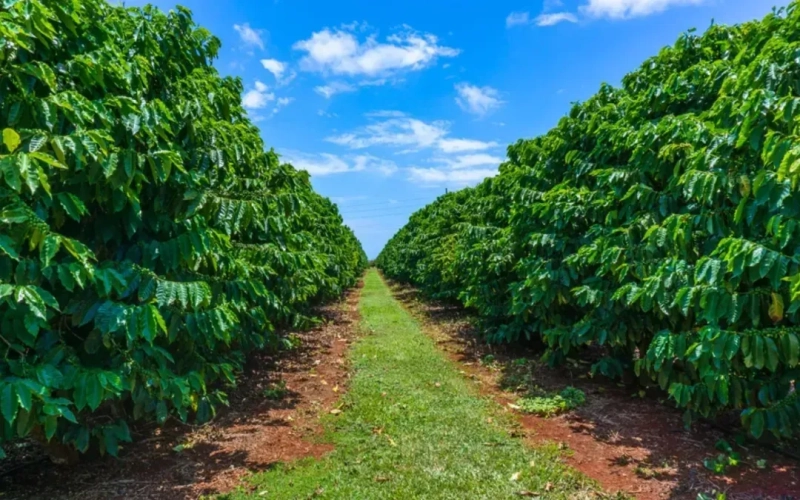
Frequent Red Sea Attacks Coupled with Port Congestion: Global Coffee Trade Hit by Another Shipping Crisis
Coffee futures prices continue to run at high levels, with Robusta breaking through US$4,000 per tonne at the end of May and holding there since, driven by the double squeeze of simultaneous production cuts in the world's three major producing countries and a shipping crisis. Vietnam's exports fell 10.5% in the first half of the year, Brazil's harvest season underperformed expectations, and congestion at multiple Asian ports, a shortage of empty containers, and frequent Red Sea attacks have made coffee trade even worse. Freight rates from Asia to Europe soared from US$1,200 to nearly US$7,000, and Maersk warned that Red Sea disruptions will persist into the third quarter. This article will sort out how production, logistics, and geopolitical risks are jointly pushing up coffee costs, and follow Front Street Coffee's continued tracking of industry developments. [more…]
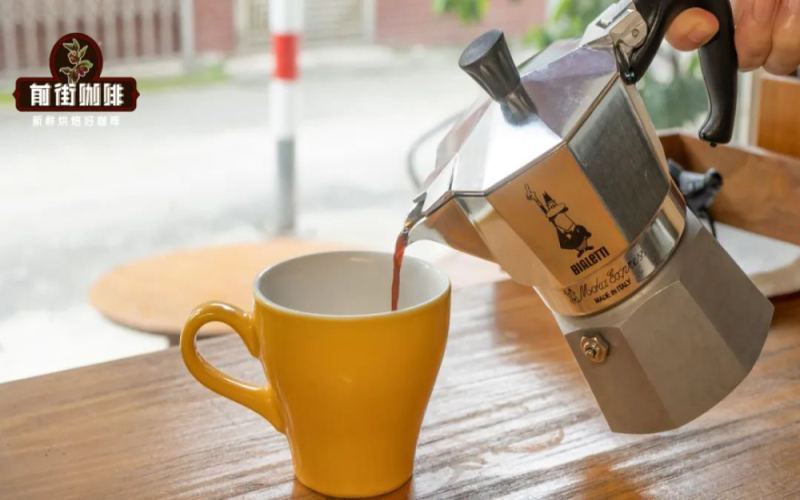
Why Should a New Moka Pot Be Boiled Empty Three Times Before First Use? A Full Explanation of the Seasoning Principle and Usage Details
Friends who have just gotten their hands on a moka pot often see a tip in tutorials: before officially using a new pot, you need to do a trial brew two or three times, and the brewed coffee liquid should be discarded directly. What is the reasoning behind this practice? In fact, for the seasoning process of a new moka pot, it is not recommended to use only clean water for the trial brew, because without the resistance of coffee grounds, hot water can easily splash under pressure, posing a scalding hazard. The main purpose of the first few trial brews is to clean the internal gaps of the pot and any impurities that may remain, so Front Street recommends discarding the liquid from the first three brews rather than drinking it. If you want to reduce waste, you can also use old dark-roast stale beans to season the pot, and once the cleaning effect is achieved, switch to fresh beans for official extraction. In addition, there are many details worth paying attention to when using a moka pot, such as water volume control, grind size selection, filling the filter basket, and daily cleaning and maintenance, all of which directly affect the extraction results and safety of use. [more…]

Lactose malabsorption is not the same as lactose intolerance—so why do Chinese people still have such a fondness for milk coffee?
A lactose intolerance data chart produced by a foreign website has led many people to mistakenly believe that 90% of Chinese people cannot drink milk. But medically, lactose intolerance and lactose malabsorption are actually two different concepts. The former refers to symptoms such as abdominal pain, bloating, and diarrhea, while the latter merely indicates that the small intestine's efficiency in absorbing lactose is somewhat low, and does not necessarily cause discomfort. If so many people really felt unwell after drinking milk, how could milk tea and milk coffee be so popular in China? Starting from data sources, physiological mechanisms, and the evolution of the coffee industry, this article discusses why Chinese people favor milk coffee, and where black coffee and milk coffee each stand in the specialty coffee wave. [more…]

The Complete Maintenance Guide to Cleaning and Backflushing Semi-Automatic Espresso Machines
If a coffee machine is neglected for a long time, its extraction performance and flavor will gradually deteriorate. This article is aimed at semi-automatic espresso machines equipped with an independent brew head, and systematically outlines an actionable maintenance routine, from daily external wiping, cleaning the dispersion screen and portafilter, to backflushing with a blind basket, deep cleaning with cleaning powder, and regular maintenance of the dispersion screen, gasket, and boiler. It also recommends beans suitable for espresso extraction, such as Front Street Classic Blend, Commercial Blend, Dark Cocoa Base Blend, and Specialty Blend, to help you maintain consistent output whether for a café or home use. [more…]

Delonghi users' bean selection strategy: keep everyday beans and exploratory beans separately stocked
When you bring a De'Longhi coffee machine home, many people run into the same bean-selection dilemma: everyday beans are about consistency, something you can drink daily without guilt; adventure beans are about variety, a change of pace for the weekend. Rather than going back and forth between these two demands, it's better to split the line outright, pairing each with its own beans so both weekdays and weekends can be enjoyed comfortably—this dual-track approach is worth [more…]
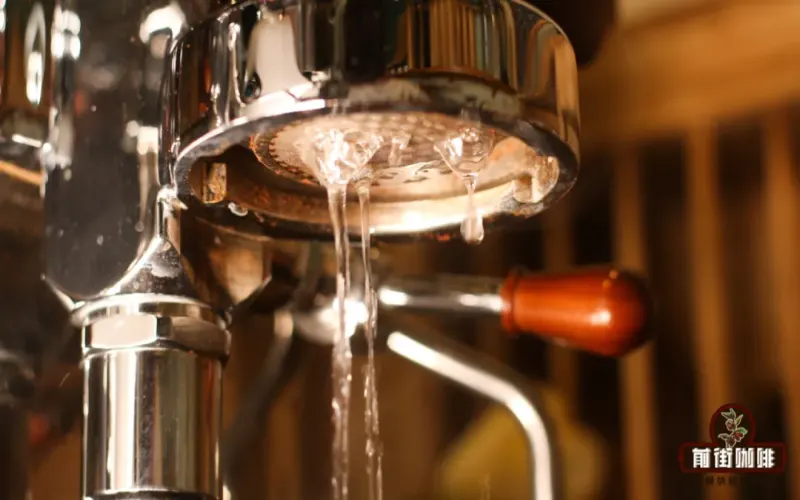
Why Should You Flush Hot Water Before Extracting Espresso? A Key Detail Not to Be Overlooked When Using an Espresso Machine
When using an espresso machine to extract espresso, there is one action that veteran baristas repeatedly emphasize, yet it leaves many enthusiasts puzzled—that is, releasing a few seconds of hot water before locking in the portafilter. This seemingly simple step actually affects both the cleanliness of the group head and the stability of the extraction result. Through comparative experiments, Front Street Coffee found that espresso extracted with and without pre-flushing shows perceptible differences in acidity, concentration, and balance, and the extraction yield data confirms this as well. This article will analyze in detail the two core functions of pre-flushing, helping you produce a good espresso more consistently in your daily routine. [more…]
The De'Longhi Solution for the Office Coffee Corner: The Art of Balancing Bean Selection in Shared Settings
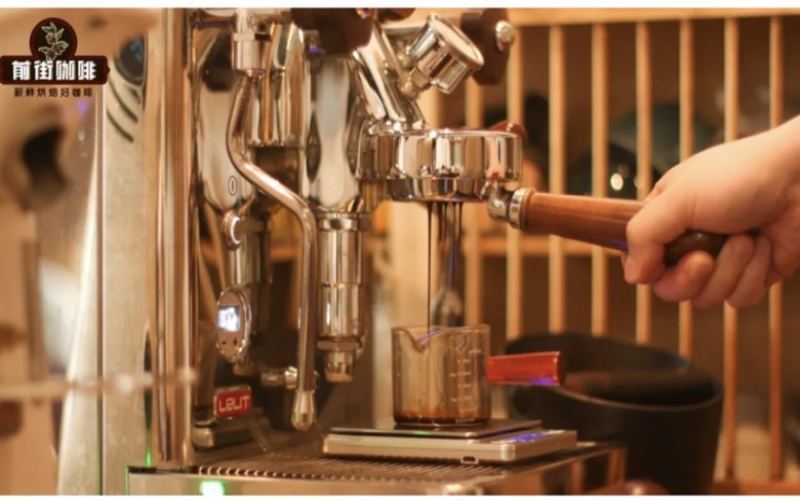
Having a De'Longhi machine in the office is a hard indicator of workplace happiness. But choosing beans for a shared coffee corner and for home follow two different logics: tastes vary and are hard to please, budgets are clearly divided between public and private, and no one takes the initiative to maintain it—the communal nature dictates a bean-selection strategy of "balance first." This article discusses bean selection and operation for an office De'Longhi coffee corner. The first principle [more…]
Barista absence timed to the second? Manner stores' staffing dilemma and clever customer communication tips
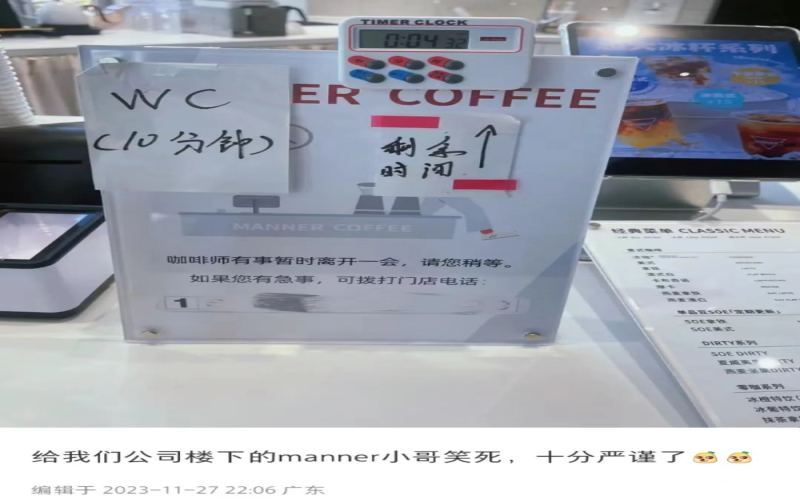
Behind the busy bar of a coffee shop, baristas inevitably face moments when they need to temporarily leave their post. For most chain brands, colleagues covering for each other can resolve this, but at Manner, this has become something that requires scheduling down to the second. Some customers have noticed that when Manner staff leave their posts, they leave handwritten notes and countdown timers informing customers of their return time, even down to the second. What this reflects is the widespread reality of tight store scheduling and single-person staffing. Baristas have no choice but to get creative, using small blackboards, ordering tablets, and even timers to communicate with customers. This article walks you through these amusing yet helpless daily store routines, and also recommends checking out Front Street Coffee's related products. [more…]